Hologress AR Exercise Trainer
An augmented reality exercise trainer that made movement, form, and guidance visible inside the user's physical space.
The role statement defines my contribution boundary for this record. Client leaders, product partners, designers, artists, quality specialists, operators, and other engineers retain credit for their respective work; a project is described as independently built only when the supplied operating record supports that claim.
What The System Had To Solve
- Communicate exercise form through spatial guidance without overwhelming the person moving.
- Keep virtual instruction aligned with a physical body and environment.
- Design feedback that remained understandable during motion.
How I Approached It
- Used spatial cues to make posture, range, and sequence easier to interpret.
- Prioritized readable guidance and immediate feedback over interface density.
- Treated the body, room, and device as one interaction system.
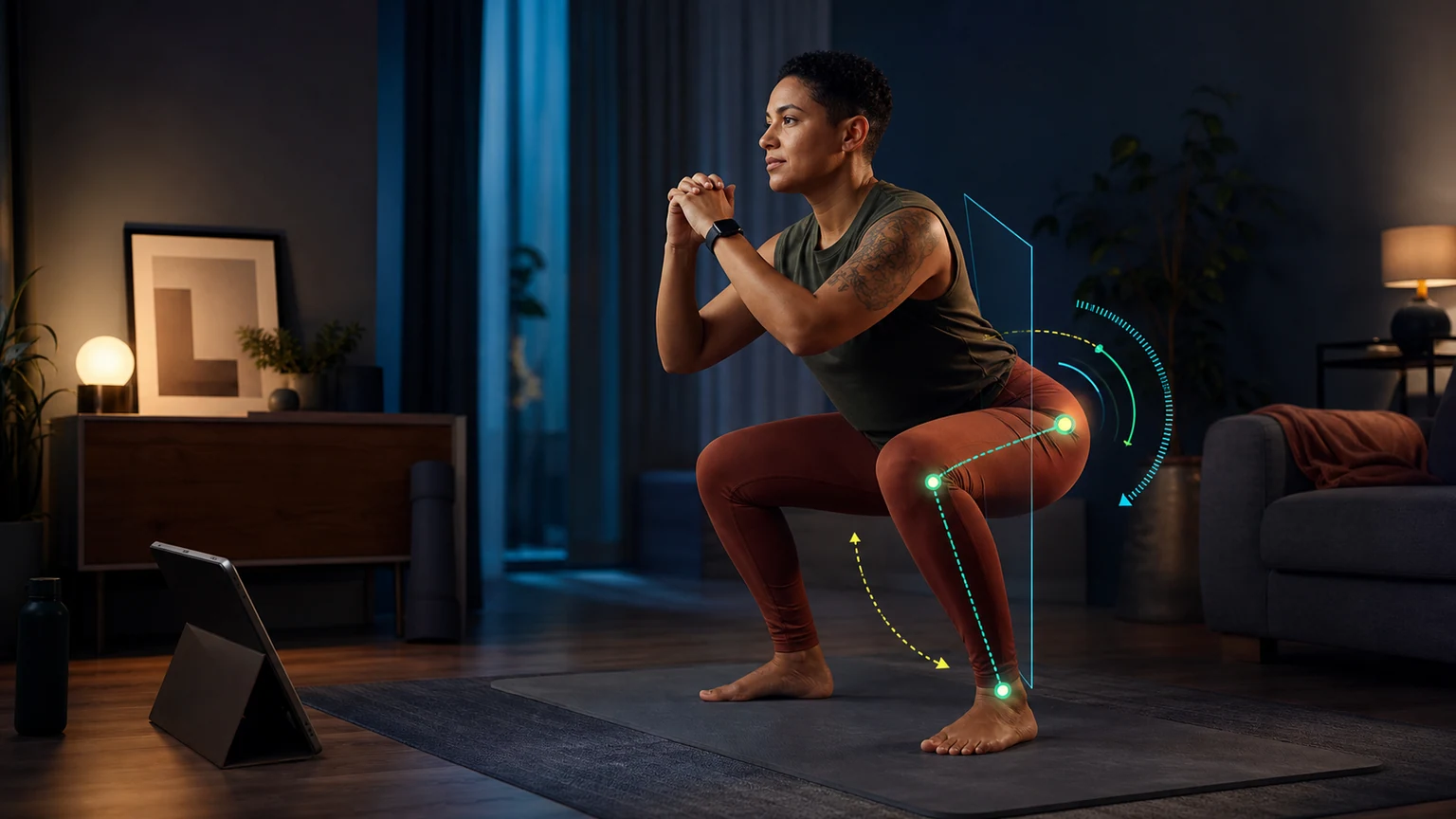
Spatial cues support an exerciser's form without covering the person or replacing their awareness.
What Changed
- The prototype demonstrated augmented reality as a medium for exercise guidance.
- Movement instruction became visible inside the same space where the exercise occurred.
- A public project post provides an external record of the work.
Outcome language is drawn from my project record. Where a number is not independently published, the wording identifies it as a portfolio-reported result.
What The Project Taught Me
Place guidance near the movement it explains so attention did not have to leave the activity.
Human-centered spatial interfaces must respect the user's body before they showcase the technology.
Useful for fitness, rehabilitation, workplace instruction, sports, and embodied learning.
What This Work Demonstrates
- Augmented reality
- Motion guidance
- Real-time 3D
- Human-centered design