disruptED
Augmented and virtual reality learning tools designed for children from pre-kindergarten through third grade.
The role statement defines my contribution boundary for this record. Client leaders, product partners, designers, artists, quality specialists, operators, and other engineers retain credit for their respective work; a project is described as independently built only when the supplied operating record supports that claim.
What The System Had To Solve
- Design immersive interactions for young learners with widely varying reading and device familiarity.
- Keep educational intent visible inside playful experiences.
- Build for the attention, safety, and usability needs of early childhood audiences.
How I Approached It
- Used simple interaction patterns, clear feedback, and age-appropriate visual language.
- Connected each immersive mechanic to a learning objective.
- Treated accessibility, comfort, and adult facilitation as part of the complete product context.
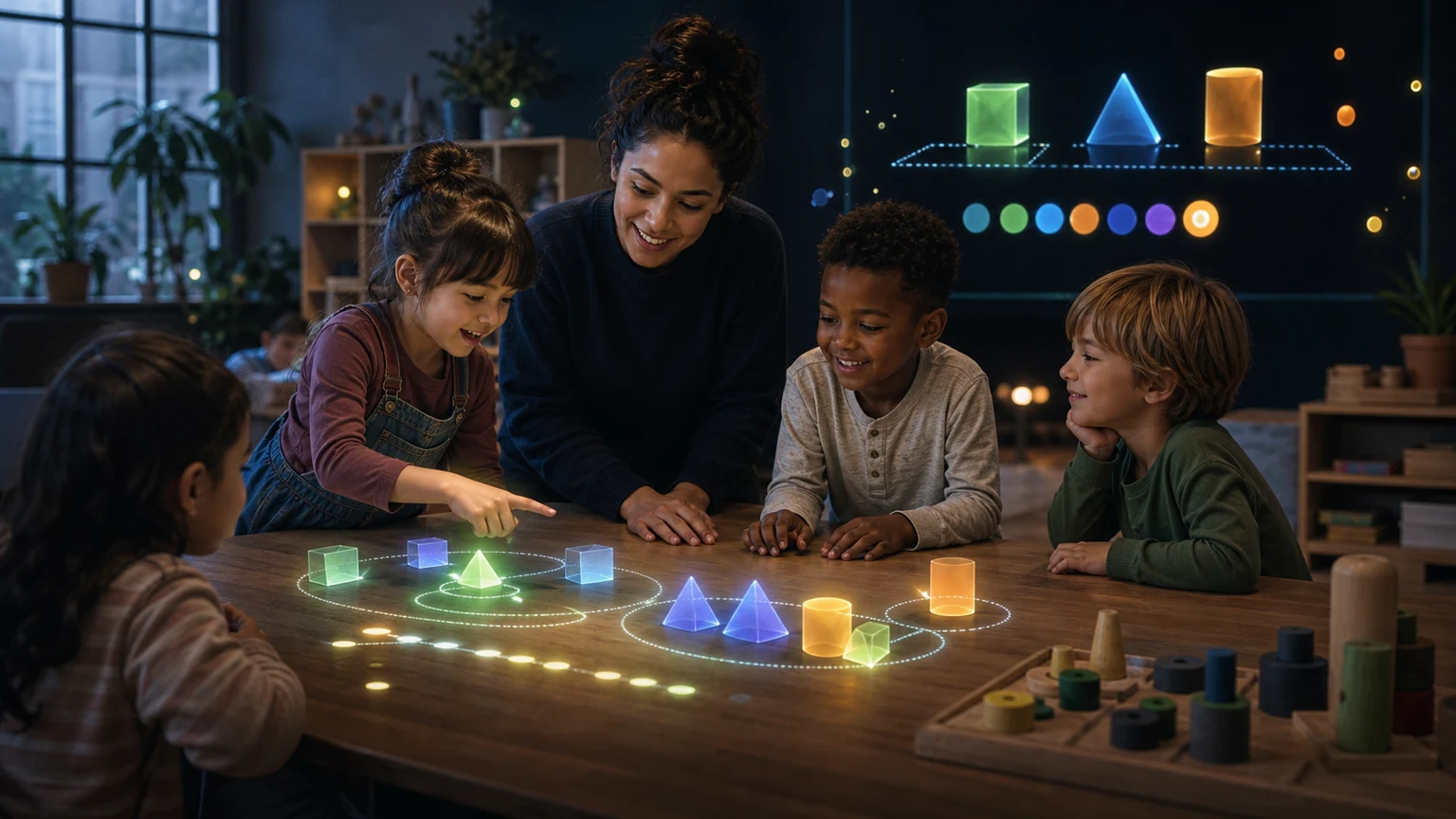
Young learners and an adult facilitator use a simple augmented object tied to one visible educational goal.
What Changed
- The software became a 2021 EdTech Cool Tool Awards finalist in the Virtual Reality and Augmented Reality Solution category.
- The product demonstrated how immersive technology could support early learning without abandoning clarity.
- The project added education technology to a portfolio spanning enterprise, entertainment, and public experiences.
Outcome language is drawn from my project record. Where a number is not independently published, the wording identifies it as a portfolio-reported result.
What The Project Taught Me
Reduce interaction complexity so curiosity could remain focused on the learning objective.
Designing for children exposes every assumption an interface makes about confidence, literacy, and patience.
Useful for education technology, accessible products, onboarding, guided learning, and family experiences.
What This Work Demonstrates
- Educational technology
- AR
- VR
- Child-centered design