Flite Golf
A configurable, white-label golf entertainment system built to perform reliably across live, multi-bay venues.
The role statement defines my contribution boundary for this record. Client leaders, product partners, designers, artists, quality specialists, operators, and other engineers retain credit for their respective work; a project is described as independently built only when the supplied operating record supports that claim.
The Mandate
Make One Platform Feel Native To Many Venues.
Flite Golf needed more than a set of games. It needed a product foundation capable of expressing different brands, configurations, venue conditions, and customer expectations without allowing every deployment to become its own software branch.
The Product As a Complete System
The visible experience was only one layer. These were the responsibilities that had to cooperate for the product to remain useful under real operating pressure.
Venue Experience
Brand expression, game selection, player flow, bay state, and guest-facing feedback.
Each venue needed to feel intentional without multiplying product variants.
Configuration
Themes, feature controls, content, and venue-specific behavior expressed as data.
Variation had to remain visible, reviewable, and safer than custom code.
Real-Time Runtime
Multiplayer state, shot events, responsiveness, and live session continuity across active bays.
A technically correct system still failed if latency or recovery disrupted a paying guest.
Delivery System
Planning, standards, reviews, onboarding, release confidence, and shared technical context.
The product could not scale further than the team's ability to understand and change it.
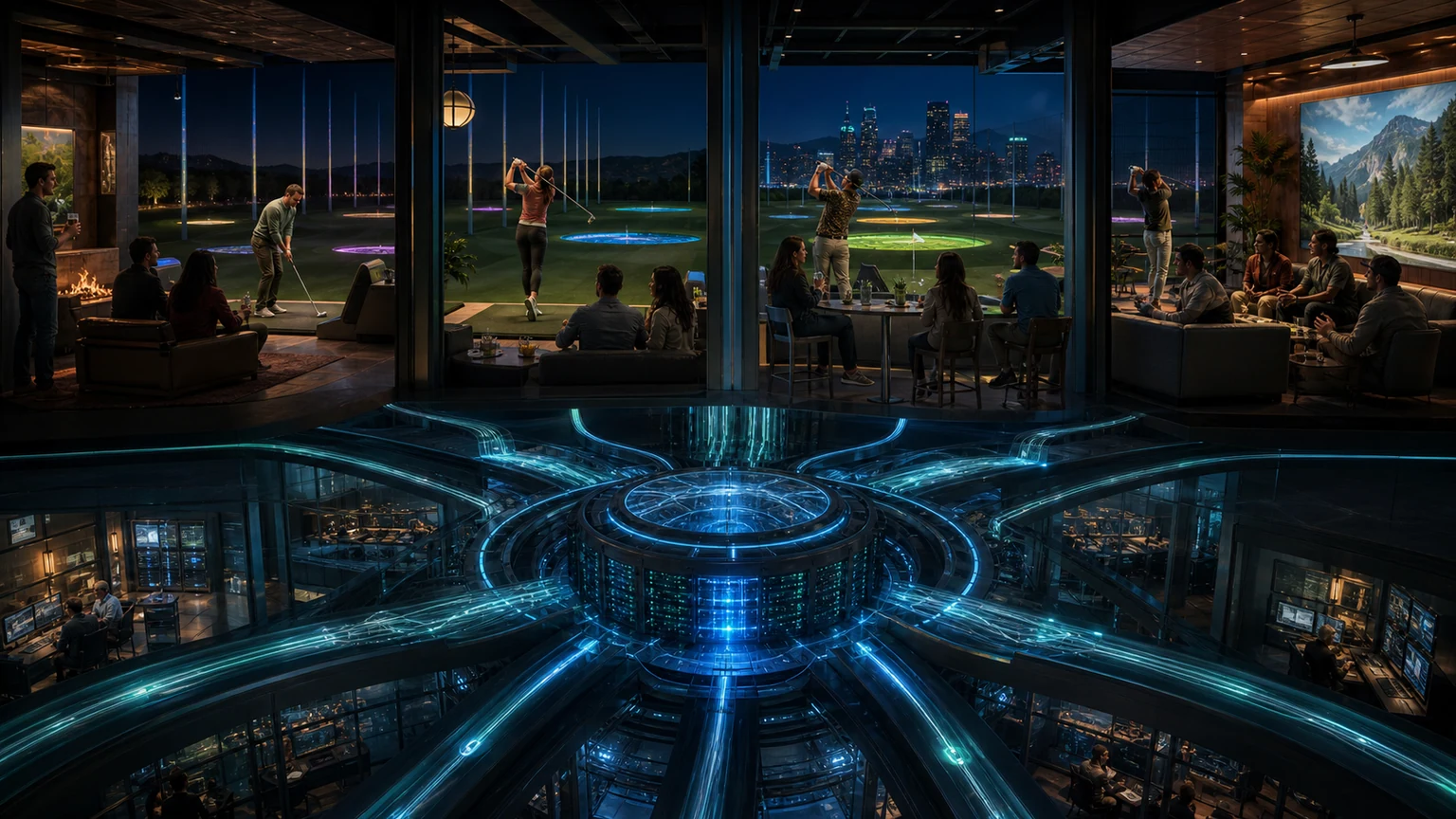
Brand configuration and local operations can vary while the real-time platform preserves a coherent technical foundation.
What The System Had To Solve
- Support distinct venue brands, interfaces, and game configurations without fragmenting the core product.
- Keep real-time multiplayer responsive across many simultaneously active bays.
- Create a predictable delivery system while growing the engineering team and its capabilities.
- Preserve live-venue reliability while product requests, branded variations, and new game ideas continued to arrive.
How I Approached It
- Designed configuration-driven theming and feature controls around a stable shared core.
- Led networking and performance work around the conditions of a live entertainment venue.
- Introduced clearer planning, coding standards, onboarding, and mentoring practices.
- Connected architecture decisions to delivery rituals so the team could see why the platform boundaries mattered.
The Tradeoffs That Shaped The Product
Architecture becomes meaningful when the decision, alternative cost, and operating reason remain visible together.
Configuration Over Forks
Keep one dependable product core; express venue differences through controlled configuration.Forks make the first customization feel fast and every later fix expensive. Configuration made differences explicit while preserving one place to improve reliability.
Performance As Guest Experience
Treat network responsiveness and live-bay behavior as product design constraints.Guests experience latency as confusion, not as a technical metric. Performance work belonged in the experience model from the beginning.
Leadership As Architecture
Pair code structure with clearer planning, review, onboarding, and mentoring practices.A modular platform is fragile if only its original authors understand the boundaries. Team comprehension was part of the system.
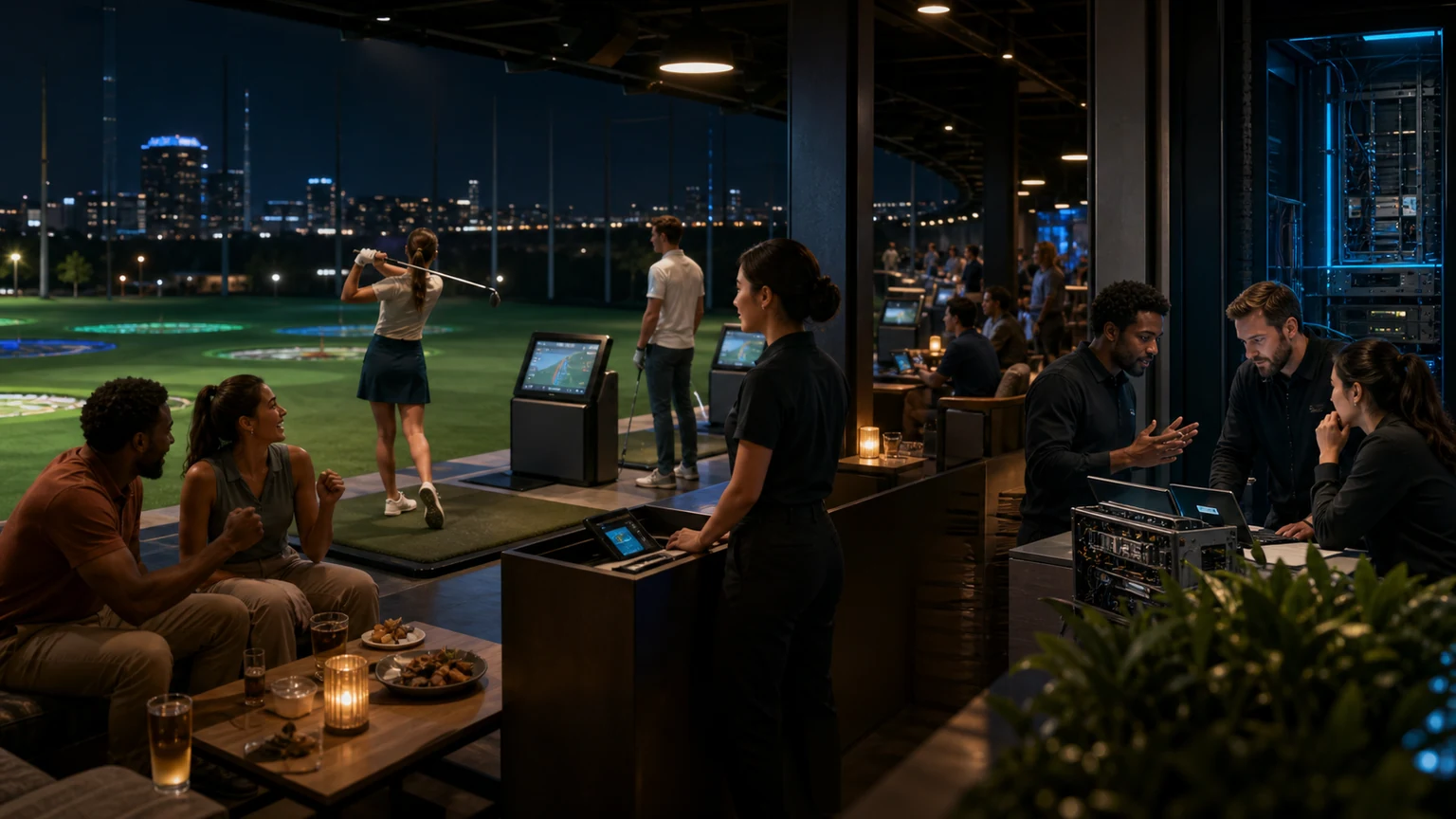
Guests, venue operators, and engineers share one live service; operability is part of the experience rather than an afterthought.
What Changed
- The portfolio record reports roughly 40% stronger customer retention across partner venues.
- Multiplayer performance improved by approximately 25% after architecture and optimization work.
- Milestone-driven delivery regularly finished ahead of schedule and about 10% under budget.
- The shared product foundation supported venue variation without requiring every customer experience to become a separate codebase.
What Supports The Story
Evidence is classified so a reader can distinguish public verification, portfolio-reported outcomes, and implementation details shared from direct experience.
Customer Retention
Roughly 40% improvement reported in the portfolio record.
Multiplayer Performance
Approximately 25% improvement reported after architecture and optimization work.
Delivery Economics
Milestone delivery reported ahead of schedule and about 10% under budget.
Platform Shape
Configuration-driven theming and shared runtime systems are described from implementation experience.
The quantitative outcomes on this page come from my project record and are presented as reported results; they are not represented as independently audited figures. I describe the architecture and leadership details at a level that protects client-sensitive implementation information.
What The Project Taught Me
Protect one dependable core while expressing venue and brand variation through configuration.
A platform scales when the product and the team can extend it without multiplying exceptions.
Useful for multi-tenant products, product families, and teams balancing customization with operational discipline.
What This Work Demonstrates
- Product architecture
- Real-time networking
- Team leadership
- Delivery operations